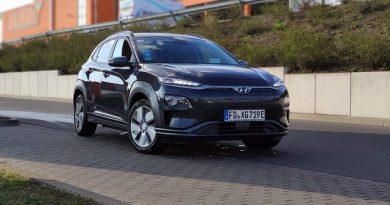
Bought a car with a push-button start? There's a chance it can be stolen with no key at all
In short: most thefts of newer cars no longer involve breaking a window or cutting a wire. Thieves copy the wireless key signal in seconds, so an old steering lock or a signal-blocking pouch is worth more than a pricey alarm. Here is what actually stops it.
Common wisdom says a new car with keyless entry is safer than an older one. The reality runs the other way. A car that unlocks and starts just because the fob is nearby opened a whole front of quiet theft, with no sound of shattering glass and no cut cable.
The relay attack: two minutes, no tools
The method is called a relay attack. One thief stands by your front door holding a small transmitter that picks up the RFID signal from the fob sitting on the hallway shelf inside. A second thief waits by the car with a receiver that rebroadcasts that same signal to the vehicle. The car believes the key is right there. It unlocks and starts.
The gear costs a few hundred shekels on sites outside Israel. The whole thing takes under two minutes and leaves no break-in marks, which makes an insurance claim messy if the car was technically left open. Documented cases in the UK linked roughly 40% of car thefts there to keyless systems.
Why a cheap steering lock beats an expensive alarm
A relay attack walks straight past your alarm and immobilizer, because as far as the car is concerned the real key is present. What it does not walk past is a physical barrier. A steel steering lock at 200 to 400 shekels forces the thief to work for long, loud minutes, and that noise is exactly what he is trying to avoid.
The same logic, a simple layer beating a sophisticated system, shows up in the security world too. As we saw in the breakdown of the mistake that turns a strong password into worthless, the toughest defense breaks over one small gap in the chain. With a car fob, that gap is the signal still transmitting while the key rests by the door.
What actually stops it
Not every product is worth it. Some parking-lot sellers will push expensive trackers on you that do nothing to prevent the theft itself, they only help you find the car afterward.
- Faraday signal-blocking pouch for the fob: 30 to 60 shekels, kills the relay attack completely.
- Physical steering lock: 200 to 400 shekels, instant visual deterrent.
- Hidden electronic cutoff (kill switch): 500 to 1,200 shekels installed, cuts fuel or ignition.
- GPS tracker subscription: around 70 shekels a month, does not prevent theft but locates the car after.
- Check whether the keyless broadcast can be switched off, on some models a double press of the lock button does it.
Comparing protection methods
This problem belongs in the math before you buy, too. Choosing between a new car with a push-button start and a slightly older model with a mechanical key, it is worth pricing in the cost of the extra protection you will end up fitting anyway.
For the technical background on how the signal is intercepted and rebroadcast, see the entry on the relay attack. Buy the pouch first. It is the cheapest fix and it removes the one weakness every other layer is trying to compensate for.